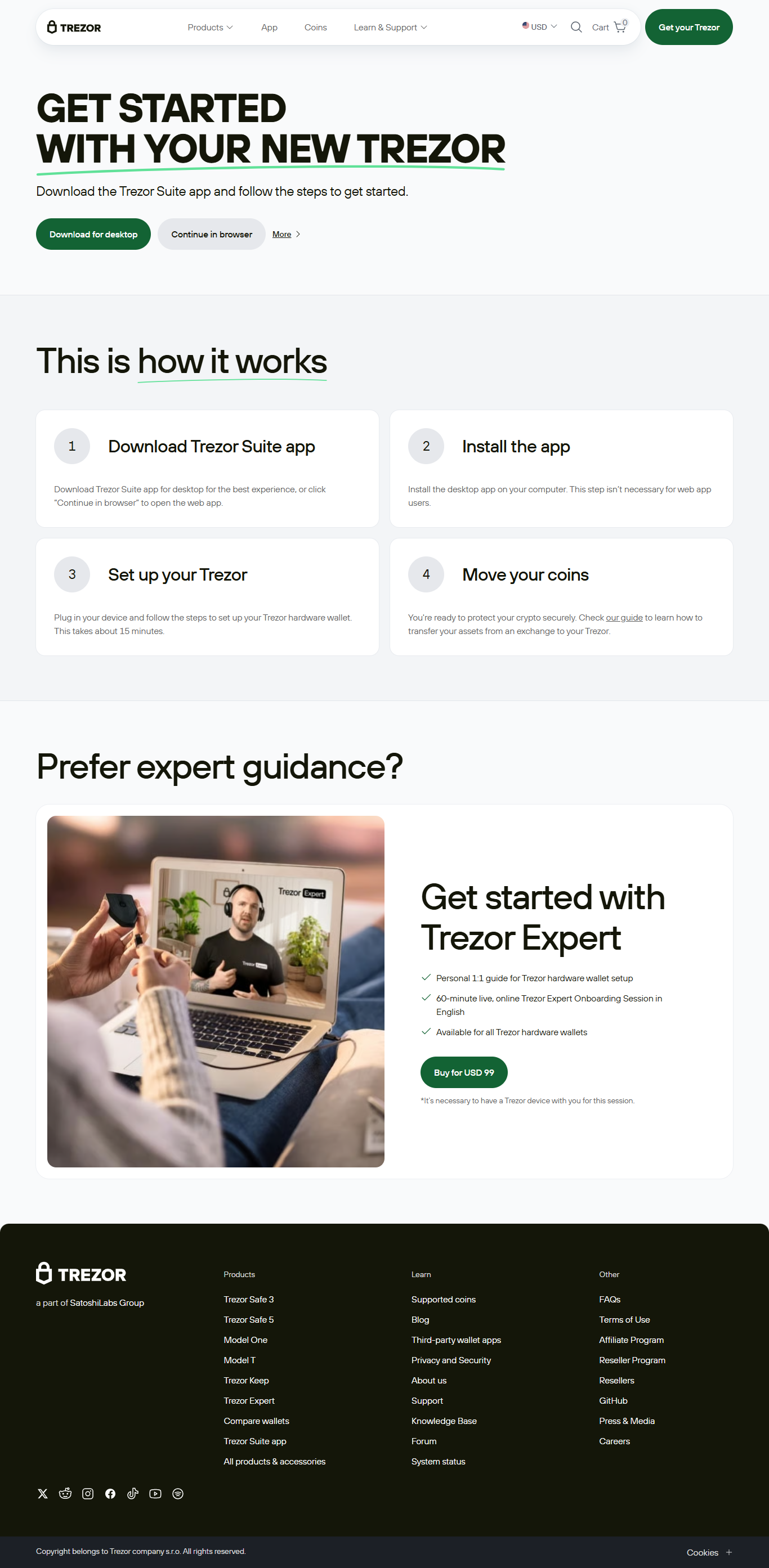
Trezor Bridge Tool | Connect Trezor Wallet to Web
As cryptocurrency users increasingly prioritize security and self-custody, hardware wallets have become the gold standard for protecting digital assets. Trezor, developed by SatoshiLabs, is one of the most trusted names in this space. While the hardware wallet itself stores private keys securely offline, it relies on supporting software to communicate safely with web-based applications. This is where the Trezor Bridge Tool plays a vital role.
The Trezor Bridge Tool is an essential component that enables seamless and secure communication between a Trezor hardware wallet and web browsers. It ensures that users can interact with web wallets, decentralized applications, and the Trezor web interface without compromising security. In this article, we’ll explore what Trezor Bridge is, how it works, why it matters, and how it fits into the broader Trezor ecosystem.
What Is the Trezor Bridge Tool?
Trezor Bridge is a lightweight software utility that allows Trezor hardware wallets to connect to web-based services through a browser. It acts as a secure communication layer between the physical Trezor device and supported websites, such as the Trezor web wallet or other compatible crypto platforms.
Modern browsers have limited direct access to USB hardware devices for security reasons. Trezor Bridge solves this limitation by running in the background on a user’s computer and handling encrypted communication between the browser and the hardware wallet.
In simple terms, Trezor Bridge ensures that your browser can “talk” to your Trezor device safely and reliably.
Why Trezor Bridge Is Important
Without a proper communication layer, interacting with a hardware wallet through a web interface would be unreliable or insecure. Trezor Bridge fulfills several critical functions:
Enables browser-based access to Trezor wallets
Maintains strong security boundaries between hardware and software
Ensures compatibility across operating systems and browsers
Provides a smooth user experience for web-based crypto management
By using Trezor Bridge, users can safely access their wallets, sign transactions, and confirm actions on the hardware device while using web platforms.
How Trezor Bridge Works
Trezor Bridge operates as a background service on your computer. Once installed, it automatically detects when a Trezor device is connected via USB.
Here’s a simplified breakdown of how it works:
The user connects their Trezor hardware wallet to the computer.
The browser-based application sends a request (for example, to view balances or create a transaction).
Trezor Bridge securely forwards this request to the hardware wallet.
The Trezor device displays the request details on its screen.
The user physically confirms or rejects the action on the device.
The signed response is sent back through Trezor Bridge to the web interface.
At no point do private keys leave the Trezor device. The bridge only transmits signed data, ensuring that sensitive information remains fully protected.
Key Features of Trezor Bridge Tool
Secure Communication Channel
Trezor Bridge uses encrypted communication to ensure that data exchanged between the browser and the hardware wallet cannot be intercepted or altered by malicious software.
Automatic Device Detection
Once installed, the tool automatically detects compatible Trezor devices when they are plugged in. There is no need to manually launch the application in most cases.
Cross-Browser Compatibility
Trezor Bridge works with major browsers such as Chrome, Firefox, and Edge, ensuring broad accessibility for users across different platforms.
Lightweight and Efficient
The tool runs quietly in the background and consumes minimal system resources, making it suitable for everyday use without affecting system performance.
Supported Operating Systems
Trezor Bridge is designed to work across multiple operating systems, including:
Windows
macOS
Linux
This wide compatibility ensures that users can connect their Trezor wallets to the web regardless of their preferred desktop environment.
Trezor Bridge vs. WebUSB
In recent years, some browsers have introduced WebUSB, a technology that allows websites to communicate directly with USB devices. While Trezor supports WebUSB in certain environments, Trezor Bridge remains an important option.
Why Trezor Bridge Is Still Relevant
Not all browsers fully support WebUSB
Some operating systems or security settings restrict WebUSB usage
Trezor Bridge provides a more consistent and stable experience
For users who encounter connection issues with WebUSB, Trezor Bridge offers a reliable fallback that ensures uninterrupted access to web-based wallet features.
Security Considerations
Security is at the core of the Trezor ecosystem, and Trezor Bridge is no exception.
No Access to Private Keys
Trezor Bridge never handles or stores private keys. All cryptographic operations take place exclusively on the hardware wallet.
Open-Source Transparency
Like other Trezor software components, Trezor Bridge is open source. This allows the community to inspect the code, verify its integrity, and identify potential vulnerabilities.
Protection Against Malware
Even if a computer is compromised, malware cannot sign transactions or access funds without physical confirmation on the Trezor device. This significantly reduces the risk of theft.
Common Use Cases for Trezor Bridge
The Trezor Bridge Tool is commonly used in scenarios such as:
Accessing the Trezor web wallet through a browser
Managing assets on compatible third-party web platforms
Signing transactions for decentralized applications (dApps)
Viewing balances and transaction history online
In each case, the bridge ensures that the user experience remains smooth while maintaining strict security controls.
Installation and Updates
Installing Trezor Bridge is a straightforward process. Once installed, it typically runs automatically when the system starts.
Automatic Updates
Trezor Bridge may notify users when updates are available. Keeping the tool up to date ensures compatibility with the latest browsers, operating systems, and security improvements.
Minimal User Interaction
After installation, most users rarely need to interact with the tool directly. It works silently in the background, activating only when needed.
Trezor Bridge and the Trezor Suite Ecosystem
While Trezor Suite (the desktop application) does not require Trezor Bridge, the bridge remains an important part of the broader Trezor ecosystem—especially for users who prefer web-based interactions.
Trezor Bridge complements Trezor Suite by:
Supporting web access for users who don’t want to install a full desktop app
Providing compatibility with third-party web services
Offering flexibility in how users manage their crypto
This layered approach allows users to choose the workflow that best suits their needs without sacrificing security.
Advantages of Using Trezor Bridge
Enables secure browser-based wallet access
Maintains hardware-level security
Works across major operating systems
Lightweight and easy to maintain
Backed by the trusted Trezor development team
These advantages make Trezor Bridge a dependable solution for users who want the convenience of web access combined with the protection of a hardware wallet.
Conclusion
The Trezor Bridge Tool plays a crucial but often overlooked role in secure crypto management. By enabling encrypted communication between Trezor hardware wallets and web browsers, it bridges the gap between offline security and online usability.
For users who rely on web-based wallet interfaces or compatible crypto platforms, Trezor Bridge provides a stable, secure, and transparent connection layer. It ensures that all sensitive actions remain protected by physical confirmation on the hardware device, preserving the core principle of self-custody.
In an ecosystem where security, flexibility, and trust are paramount, Trezor Bridge stands as an essential component of the Trezor experience—helping users connect their wallets to the web without compromising control over their digital assets.